Washington —
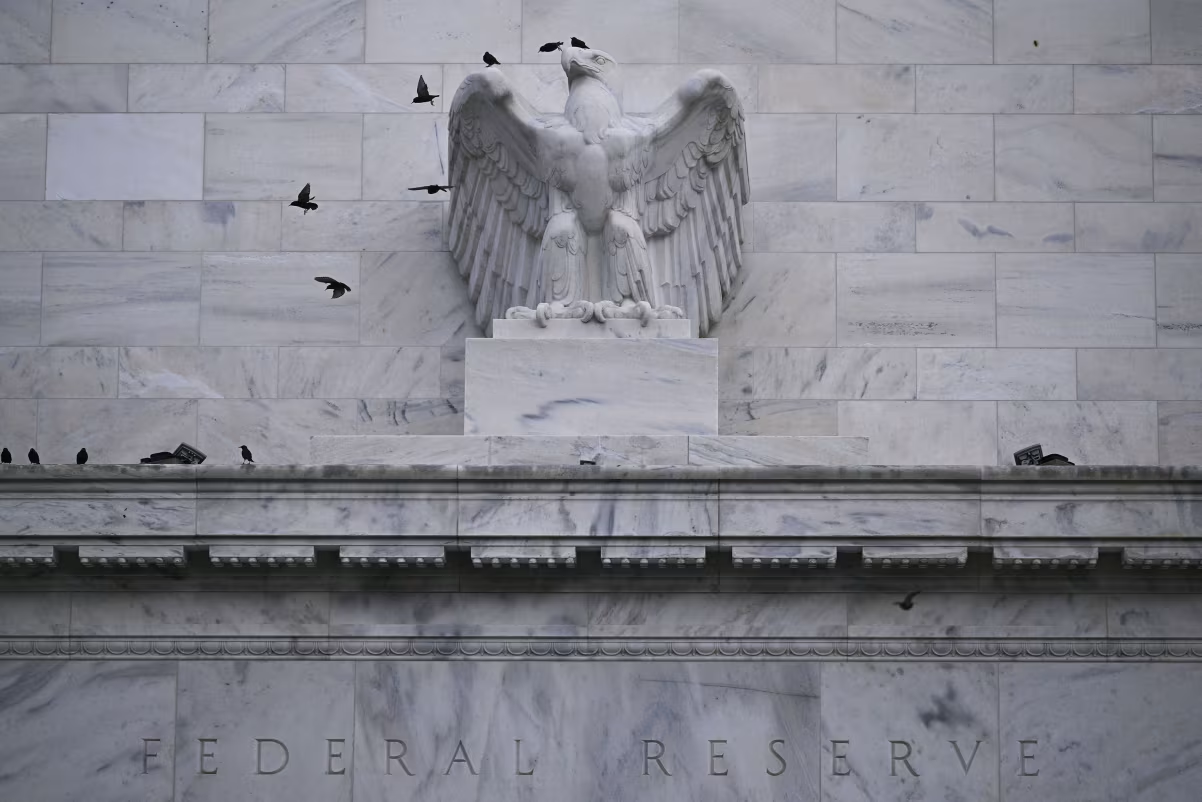
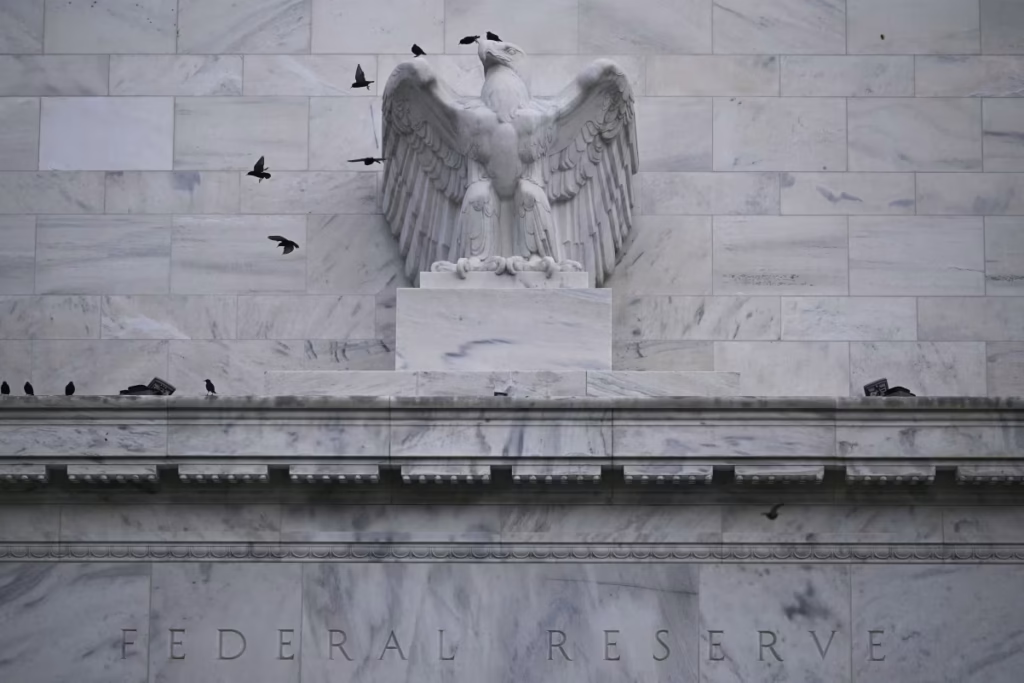
One word in the Federal Reserve’s lengthy policy statement released this week is causing consternation among its officials, some of whom are warning that it could end up costing the US economy.
That word is “additional.”
Since the early 2000s, the Fed has signaled if interest rates could increase, decrease or remain unchanged — known as “forward guidance” — through officials’ public remarks and policy statements after every meeting.
On Wednesday, its latest forward guidance hinted that lower interest rates might be the only possibility moving forward, noting it will consider “additional adjustments to the target range for the federal funds rate.” In its latest move, the Fed this week kept its key interest rate unchanged for the third consecutive meeting.
The word “additional” specifically drew objections. Fed presidents Lorie Logan of Dallas, Beth Hammack of Cleveland and Neel Kashkari of Minneapolis “did not support inclusion of an easing bias in the statement at this time,” according to the Fed on Wednesday, so all three of them cast dissents. The three Fed presidents released statements Friday detailing why that was a mistake.
Since 2024, the only adjustments the Fed has made to the target range have been down, largely driven by signs of a weakening economy. But the economic situation has dramatically changed this year: The US-Israeli war with Iran, which began on February 28, has kept global oil prices hovering around $100 a gallon for weeks and has kept US gas prices elevated.
There can be serious economic consequences if the Fed misreads the economy — even communicating the wrong direction for interest rates can be risky, the Fed officials said.
Leave a Reply